About the Boxer
Boxers are energetic, affectionate, and loyal dogs known for their expressive faces and playful spirit. Originally bred in Germany, they’ve become beloved family companions around the world. But their high energy and strong personalities mean they’re not the right fit for everyone. This guide will help you decide if a Boxer is right for your home.






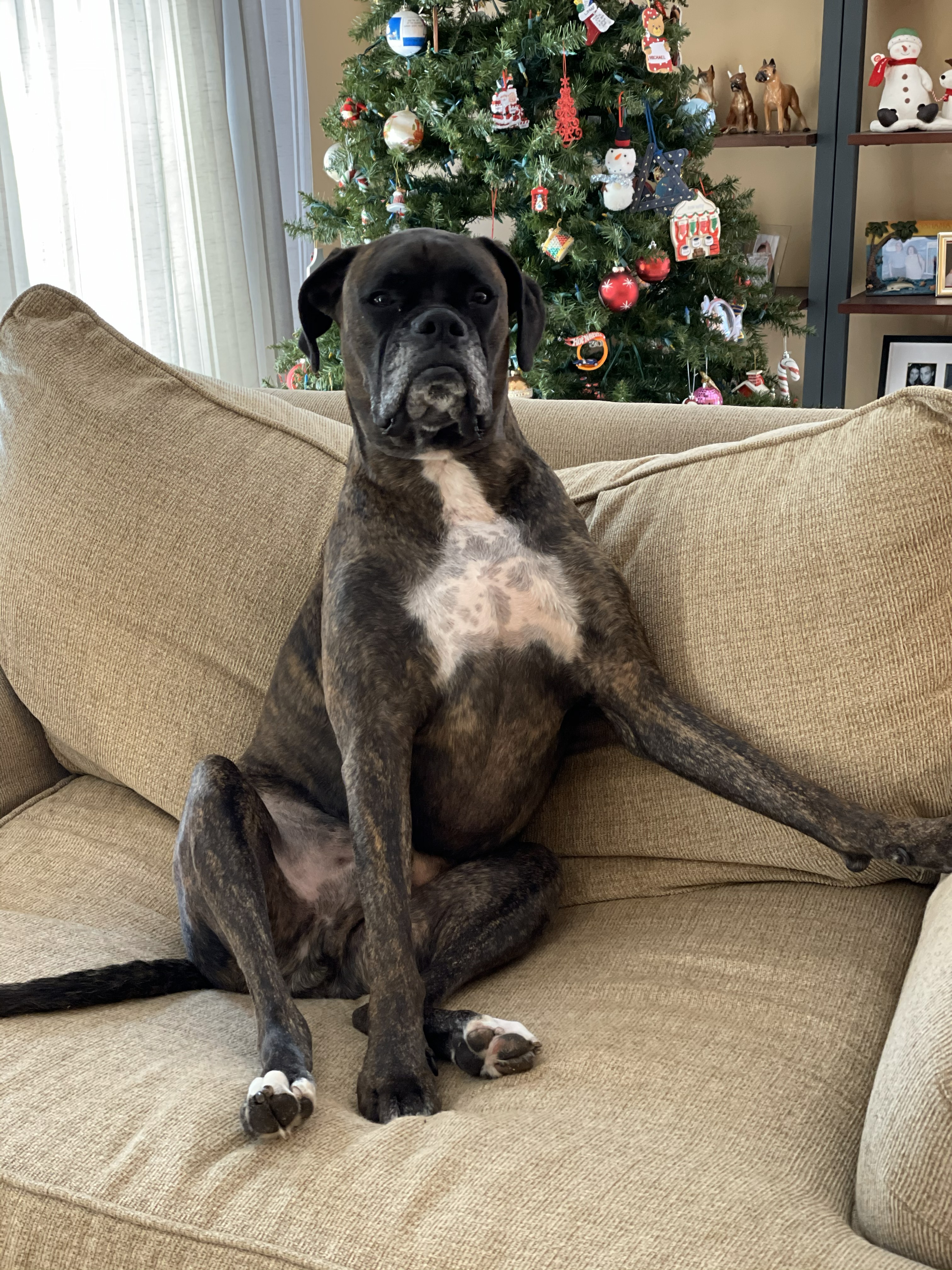
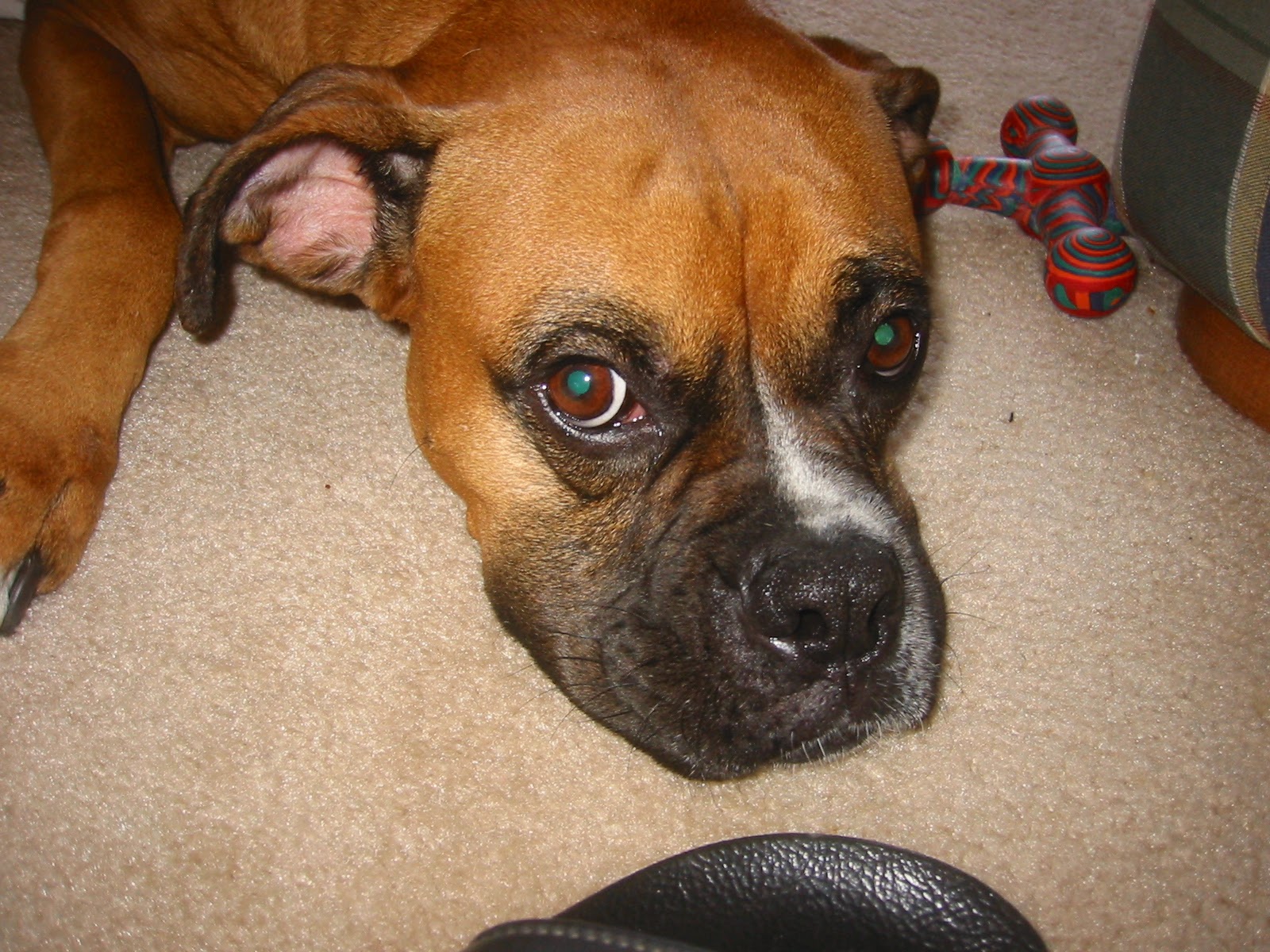

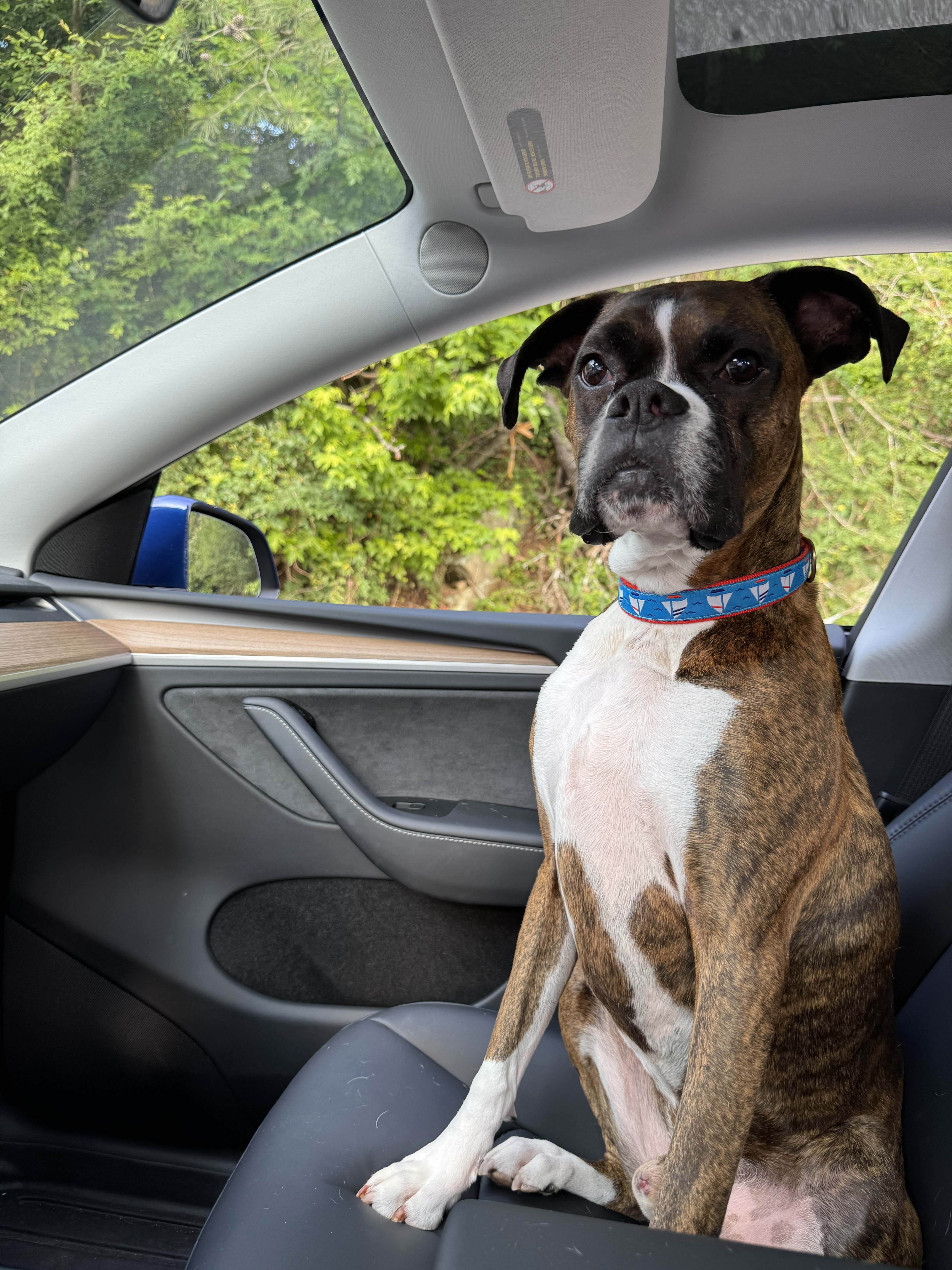
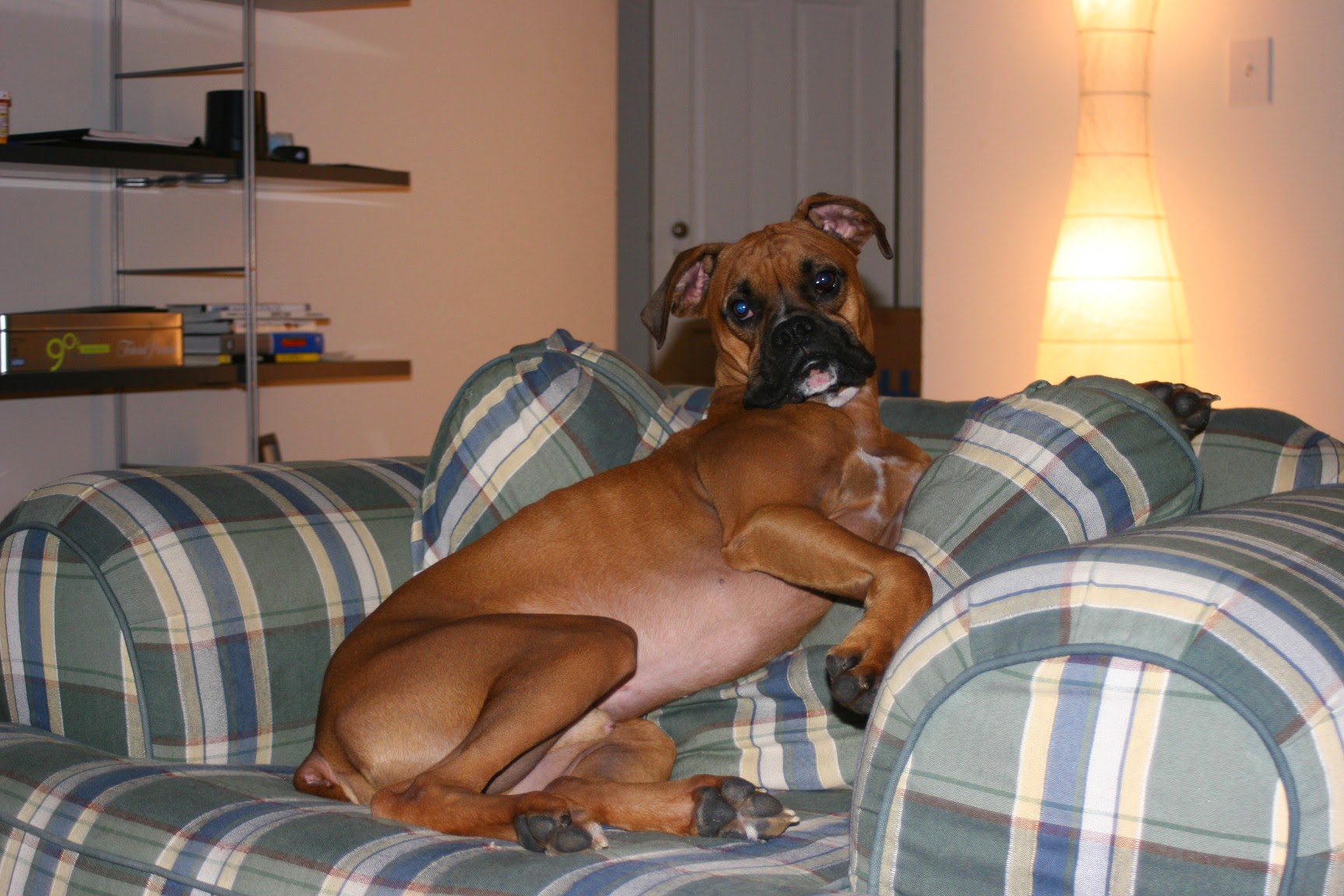
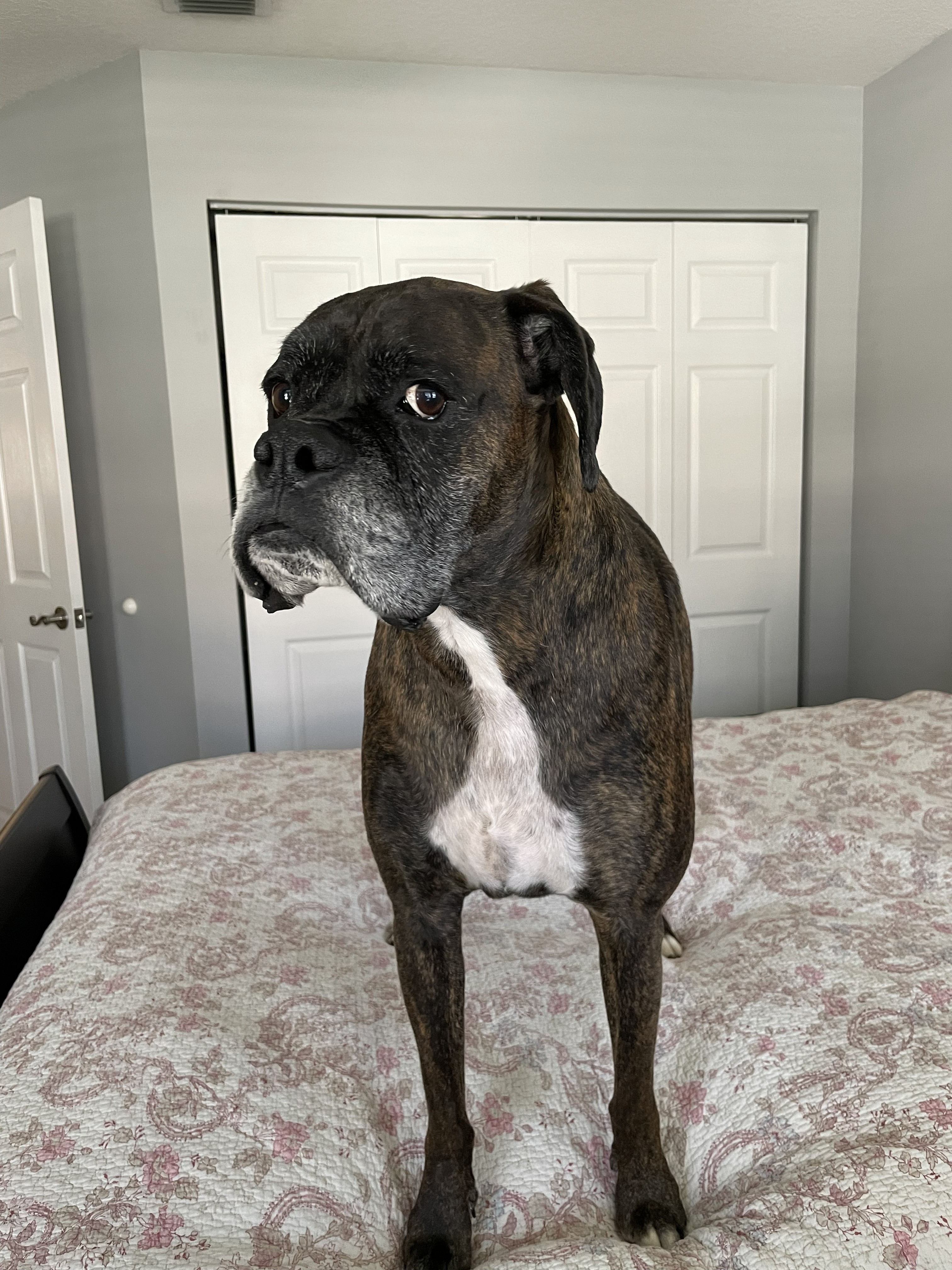

Boxer Breed Snapshot
| Size | Medium to Large (50–90 lbs) |
|---|---|
| Height | 21–25 inches at the shoulder |
| Lifespan | 9–13 years |
| Coat | Short, smooth, low-maintenance |
| Color | Fawn, Brindle, White, Seal, Reverse Brindle — with or without white “flash” markings |
| Temperament | Affectionate, playful, loyal, protective, energetic |
| Exercise Needs | High — daily walks, vigorous play, and mental stimulation |
| Good with Kids? | Yes — patient and gentle when socialized early |
The Boxer originated in Germany in the late 1800s, descended from the Bullenbeisser (a now-extinct hunting dog) and the English Bulldog. They were bred for strength, agility, and loyalty, serving as hunting companions, guard dogs, and even couriers during wartime. Their name comes from their playful habit of using their front paws in a “boxing” motion.
Boxers are often called the “clowns” of the dog world — expressive, goofy, and full of energy. They are deeply loyal and protective of their families, making them excellent watchdogs. With children, they are typically patient and playful. However, without proper training and socialization, their exuberance can be overwhelming. They thrive on companionship and dislike being left alone for long periods.
Boxers are intelligent and eager to please, but they can also be stubborn. Positive reinforcement, patience, and consistency are essential. Early obedience classes are highly recommended. They excel in agility, rally, and even service work when properly trained. Mental stimulation is just as important as physical exercise — puzzle feeders, scent games, and structured play help prevent boredom-driven mischief.
Boxers are prone to certain health issues, including:
- Heart conditions such as cardiomyopathy and aortic stenosis
- Hip dysplasia and joint problems
- Cancers, particularly mast cell tumors and lymphoma
- Heat sensitivity due to their short muzzle (brachycephalic breed)
Boxers have a short, low-maintenance coat that requires only weekly brushing. They are moderate shedders. Because of their energy, they need at least 60–90 minutes of exercise daily. They are indoor dogs — they crave human companionship and should not be left outside for long stretches. Mental stimulation, chew toys, and structured playtime are essential to keep them happy.
Boxers do best in active households where they’re part of the family. They are not ideal for people who are away from home often or who prefer low-energy pets. If you’re looking for a loyal, playful, and protective companion — and you’re ready to commit to training, exercise, and companionship — a Boxer might be your perfect match.
Watch Boxer Dog Videos on YouTube
Discover the quirky personalities and playful spirit of Boxers through real-life videos.